

1989 – 1990 · 2045 BS
India closes the border
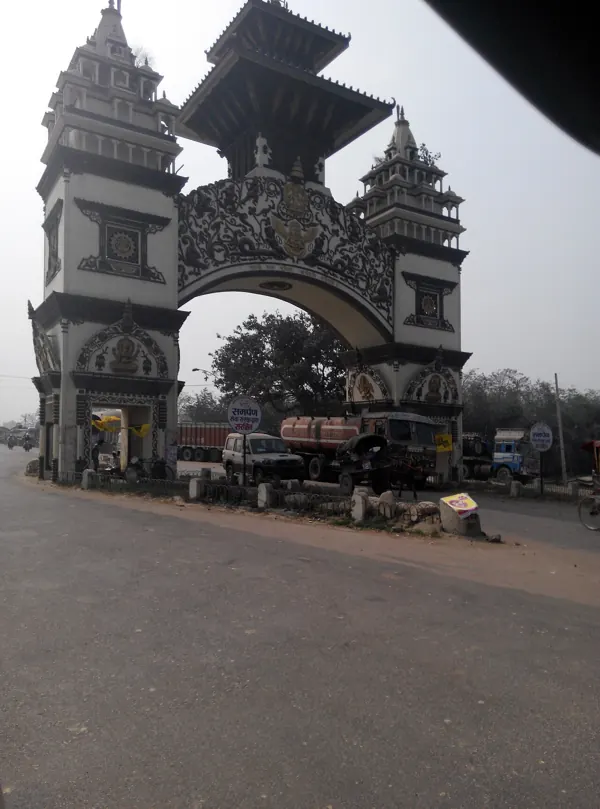
Nepal's trade and transit treaties with India expired on 23 March 1989 and were not renewed. India closed thirteen of the fifteen agreed transit points, leaving a landlocked country with almost no route for imports. Petrol, diesel, kerosene, salt, medicines and industrial inputs ran short within weeks; queues, rationing, factory closures and inflation followed, felt hardest by the urban poor and by hill districts at the end of long supply lines. The stated dispute was technical — India wanted a single combined treaty, Nepal insisted on separate trade and transit agreements as a matter of sovereign right. Behind it lay India's anger at Nepal's purchase of Chinese anti-aircraft weapons in 1988, a work-permit system applied to Indian nationals, and a wider deterioration in relations between Delhi and the palace. Nepali accounts generally call it a blockade; Indian officials rejected the term. The hardship discredited the Panchayat government and helped create the conditions for the movement of 1990.
Source and further reading: nepalitimes.com
Part of A Timeline of Nepal · Democracy and conflict · all events in this era. Last checked 2026-09-03.