

1924 – 1925 · 1981 BS
The abolition of slavery
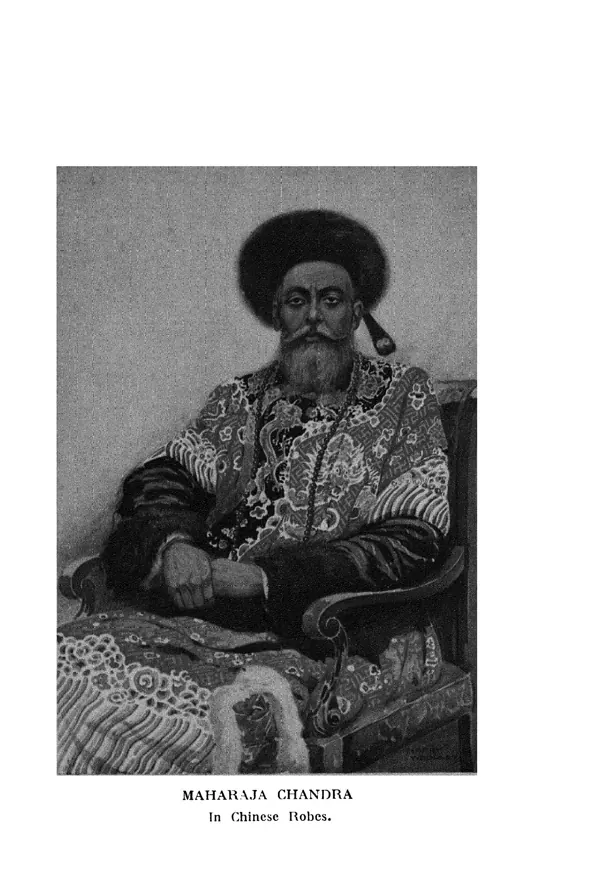
On 28 November 1924 Chandra Shumsher delivered a long public address setting out the case for ending slavery in Nepal, and emancipation was carried through over the following months, taking effect in 1925. Slavery had existed in several forms, and earlier restrictions — a ban on enslaving Brahmins and Chhetris in 1803, further measures in 1839 — had had limited effect. Under the new arrangements owners were compensated from state and temple funds rather than the freed people receiving reparation, and contemporary British press reports put the number emancipated at between fifty and sixty thousand. The reform was widely praised abroad and did a great deal for the regime's international reputation. Its effects at home were more limited: freed families often lacked land or capital, and other forms of bonded and unfree labour, notably the kamaiya and haliya systems, persisted for decades. Kamaiya bonded labour was formally abolished only in 2000, and haliya in 2008.
Source and further reading: Wikipedia
Part of A Timeline of Nepal · Unification and Rana rule · all events in this era. Last checked 2026-09-03.