

21 December 1923 · 1980 BS
Britain formally recognises Nepal's independence
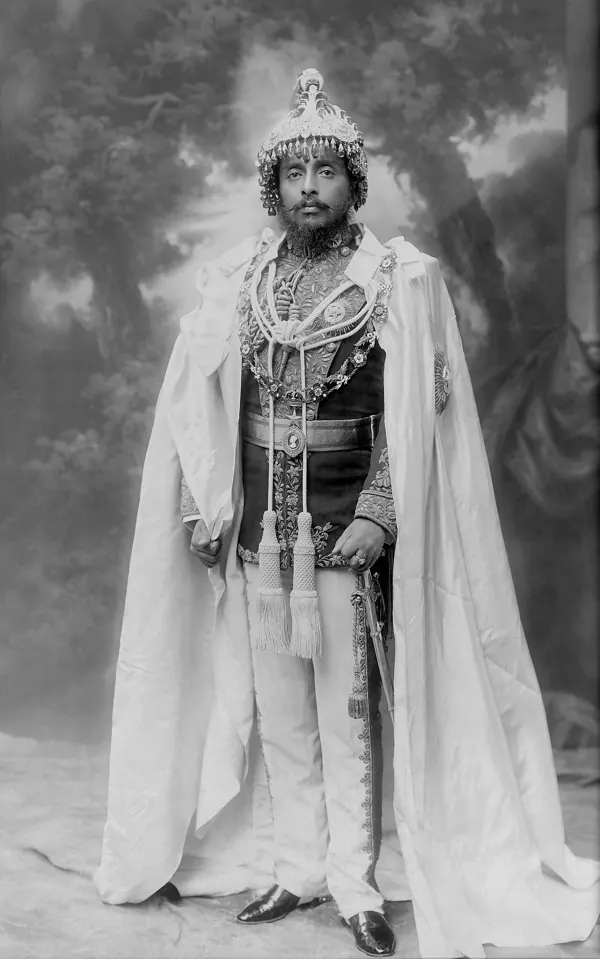
Signed in Kathmandu on 21 December 1923 by the prime minister Chandra Shumsher and the British envoy Lieutenant-Colonel William Frederick O'Connor, the Treaty of Perpetual Peace and Friendship replaced the arrangements that had governed relations since Sugauli. Its first article recorded mutual recognition of each state's independence, internal and external, and undertook that each would respect the other's sovereignty. It also allowed Nepal to import arms and munitions through British India for its own defence, and exempted Nepali government goods from Indian customs duties. The treaty was registered with the League of Nations in 1925. Nepal had never been annexed or made a protectorate, but the treaty put its status beyond argument at a time when almost every neighbour was under colonial rule, and it is generally regarded as the principal diplomatic achievement of the Rana period. It also confirmed the continued recruitment of Nepali soldiers into British service.
Source and further reading: Wikipedia
Part of A Timeline of Nepal · Unification and Rana rule · all events in this era. Last checked 2026-09-03.