

c. 400 – 750 CE
The Licchavi era and Nepal's first records
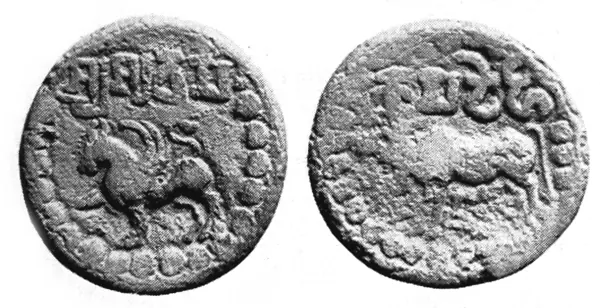
The Licchavi kings ruled the Kathmandu Valley for roughly three and a half centuries, and their reign marks the point at which Nepal's history moves from chronicle into documentary record. A stone pillar at the Changu Narayan temple, dated 464 CE and issued in the name of King Manadeva, is generally accepted as the earliest securely dated inscription found in Nepal. Dozens more followed, recording land grants, taxes, guilds, irrigation and the administration of villages. The period's high point is usually associated with Amshuverma, who governed in the early seventh century, built the palace of Kailashkut Bhawan and expanded trade and diplomatic contact with Tibet, India and China. Tibetan tradition holds that a Nepali princess, Bhrikuti, married King Songtsen Gampo and helped carry Buddhism north, though no Nepali source of the period mentions her and historians treat the story with caution. Newar artisans nonetheless worked in Tibet for centuries afterwards.
Source and further reading: Wikipedia
Part of A Timeline of Nepal · Ancient Nepal · all events in this era. Last checked 2026-09-03.