

September 2026 · 2083 BS
Counting the cost, and the questions that follow
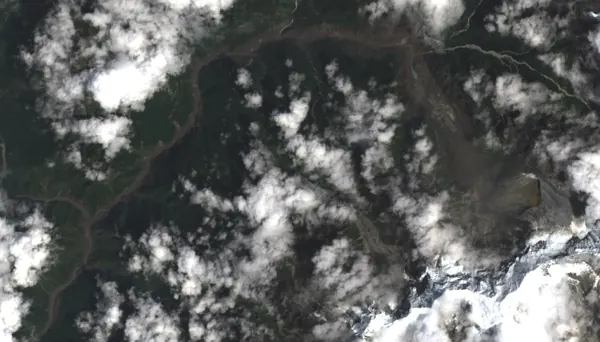
A week after the flood, Nepal is running its largest relief operation since the 2015 earthquake, and the disaster has become the country's deadliest since then. More than 21,000 police, army and armed police personnel have been deployed, over 10,000 people rescued including 252 foreign nationals, and medical treatment given to at least 4,070. A flood emergency has been declared in fifteen municipalities. Access remains the central problem, with the highway from Kathmandu passable only as far as Nuwakot. The UN reports around 65,000 people needing emergency water and sanitation and more than 22,000 children needing protection; 48 suspension bridges are damaged, 28 needing full replacement. Prime Minister Balen Shah has released about 6.5 million dollars and shifted the operation from rescue towards rehabilitation. Two arguments dominate: whether adequate warning could have crossed the border from China in time, an issue already raised after the July 2025 flood in the same valley, and how far a warming Himalaya makes such events more likely. Figures are still moving.
Source and further reading: UN News
Part of A Timeline of Nepal · The republic and today · all events in this era. Last checked 2026-09-03.