

February 2005 – April 2006 · 2061 BS
King Gyanendra takes direct power
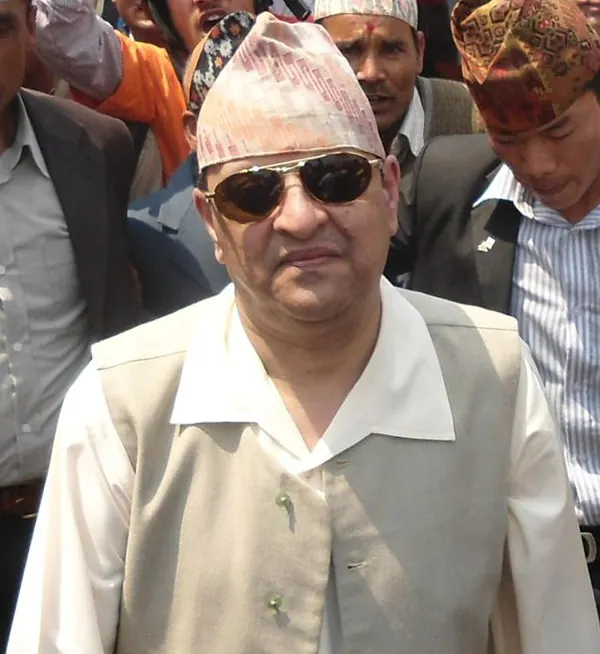
On 1 February 2005 King Gyanendra dismissed the government of Sher Bahadur Deuba, assumed executive power himself and declared a state of emergency, saying the parties had failed to hold elections or end the insurgency and promising to restore peace and multiparty democracy within three years. Fundamental rights were suspended, soldiers were posted in newsrooms, telephone and internet links were cut for days, and politicians and journalists were detained or placed under house arrest. India, the United Kingdom and the United States condemned the takeover and suspended military assistance. Rather than isolating the Maoists, it pushed the mainstream parties towards them: in November 2005 the seven parliamentary parties and the CPN (Maoist) signed a twelve-point understanding in Delhi to end both the insurgency and absolute monarchy. It is generally seen as the decisive miscalculation that ended the Nepali monarchy, though views on Gyanendra's motives remain sharply divided.
Source and further reading: Wikipedia
Part of A Timeline of Nepal · Democracy and conflict · all events in this era. Last checked 2026-09-03.