

1996 – 2006 · 2052 BS
The Maoist insurgency and civil war
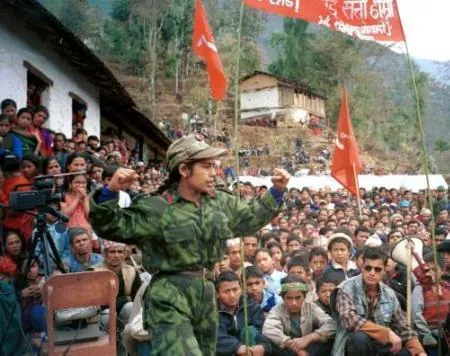
On 13 February 1996 the Communist Party of Nepal (Maoist) launched an armed insurgency with the stated aim of overthrowing the monarchy and establishing a people's republic. It began with attacks on police posts in Rolpa, Rukum and Sindhuli and spread over a decade into most of the country, drawing on real grievances — landlessness, caste and regional exclusion, the failure of the 1990 settlement to reach rural Nepal — and prosecuted through guerrilla warfare, parallel administration and, at times, extortion and abduction. The state's response, particularly after the army was deployed in 2001, involved mass detentions, disappearances and extrajudicial killings. The UN human rights office records at least 13,000 people killed and around 1,300 missing; some Nepali tallies put the dead nearer 17,000. Serious abuses were committed by both sides, and accountability for them remains largely unfinished. The war ended with the Comprehensive Peace Accord of 21 November 2006, and transformed Nepali politics: the Maoists entered mainstream politics and the monarchy did not survive.
Source and further reading: Wikipedia
Part of A Timeline of Nepal · Democracy and conflict · all events in this era. Last checked 2026-09-03.