

November 1950 – February 1951 · 2007 BS
Revolution ends 104 years of Rana rule
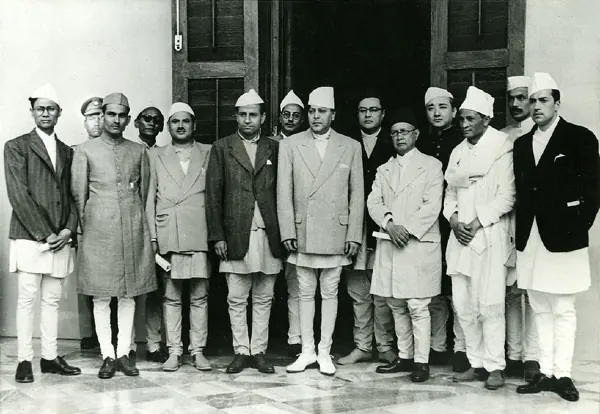
On 6 November 1950 King Tribhuvan left the palace and took refuge in the Indian embassy in Kathmandu, and was flown to Delhi. On the night of 10 to 11 November the Nepali Congress launched an armed uprising from Indian territory, its Mukti Sena taking Birgunj and fighting in the eastern and western Terai. The Rana government, isolated and facing an Indian government unwilling to prop it up, entered negotiations in Delhi with the King and the Congress. The resulting tripartite settlement, usually called the Delhi Agreement, returned Tribhuvan as head of state and provided for a coalition cabinet and an eventual constituent assembly. He flew back to Kathmandu on 15 February 1951 and proclaimed the end of the Rana regime on 18 February. The settlement remains contested: some see it as the founding act of Nepali democracy, others as a compromise that preserved Rana and palace power and gave India lasting leverage. The promised constituent assembly was never convened.
Source and further reading: Wikipedia
Part of A Timeline of Nepal · Democracy and conflict · all events in this era. Last checked 2026-09-03.