

1201 – 1769
The Malla golden age
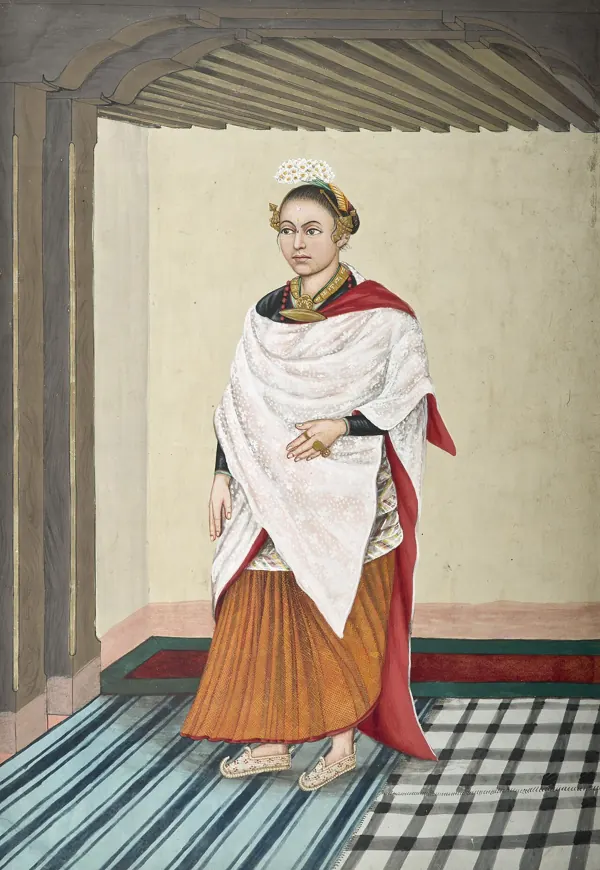
The Malla kings ruled the Kathmandu Valley for more than five centuries, and the period is generally regarded as the golden age of Nepali art and architecture. Jayasthiti Malla, proclaimed king in 1382, is credited by the chronicles with codifying law, standardising weights and measures, and arranging the population into ranked hereditary occupational groups — the formal ordering of caste among the Newars, whose social effects were long-lasting and are still debated. After the death of his grandson Yaksha Malla around 1482 the kingdom divided, and by the early sixteenth century three rival courts were settled at Kathmandu, Lalitpur and Bhaktapur. Their competition for trade and prestige funded an extraordinary period of building: the palace complexes and temple squares of the three durbar squares, now World Heritage sites, date largely from this rivalry. It also left the valley politically fragmented, a weakness that proved decisive when the Gorkha kingdom advanced in the eighteenth century.
Source and further reading: Wikipedia
Part of A Timeline of Nepal · The Malla era · all events in this era. Last checked 2026-09-03.